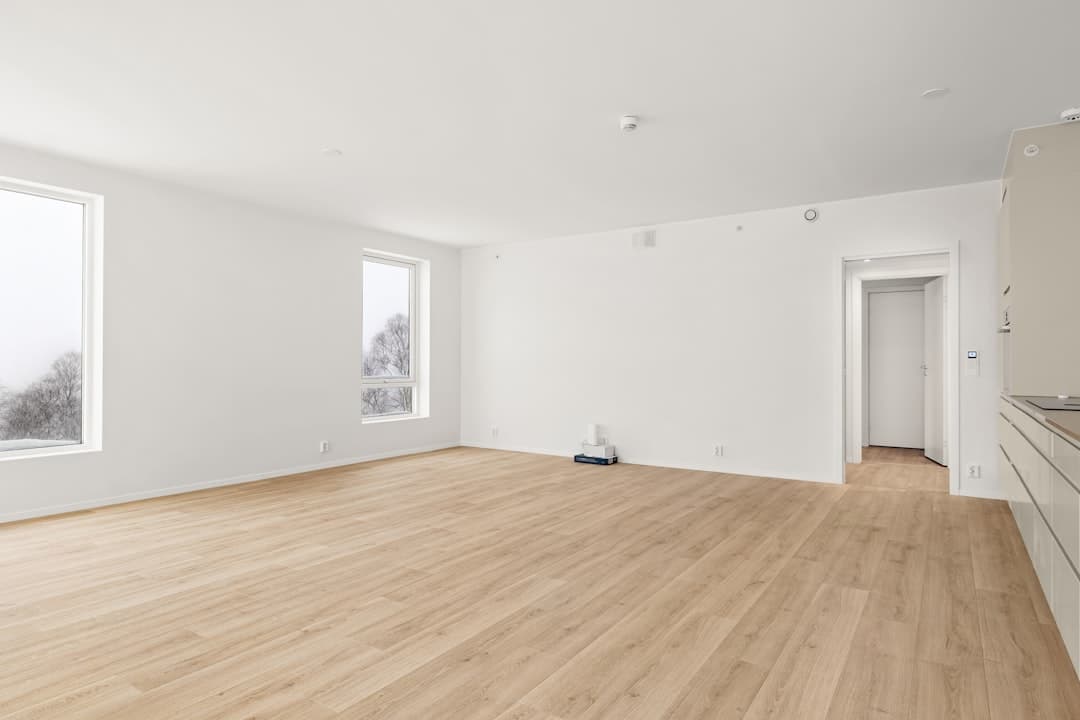
État des lieux France: check-in vs check-out inventory, the contradictoire rule, wear-and-tear, and a checklist to protect your deposit.
The état des lieux (inventory of fixtures) is the document that precisely records the state of the home, room by room, at your check-in and again at your check-out. It's compulsory, done contradictoire (you AND the landlord present together) and attached to the lease. It's THE document that protects your deposit: at the end, the check-out inventory is compared with the check-in one, and any difference can be deducted from your money. With no check-in inventory, you're presumed to have received everything in perfect condition — so you're liable for the slightest mark. The golden rule: note everything, photograph everything, date it. Here's the checklist that keeps you out of a dispute.
What an état des lieux is, and why it's vital
An état des lieux (inventory of fixtures) is a written document recording, room by room, the condition of the home and its equipment. It's done at two moments:
- At check-in: when the keys are handed over, before you drop your bags.
- At check-out: when you hand the keys back at the end of the tenancy.
Why is it vital? Because at the end, the landlord compares check-out with check-in. Anything that has changed for the worse — and isn't normal wear — can be deducted from your deposit. The inventory is, quite literally, your deposit's life insurance.
Key point of the law: with no check-in inventory, you're presumed to have received the home in good condition. In other words, the slightest crack or stain becomes "your fault" by default. Never sign a lease without a proper check-in inventory.
Check-in vs check-out: the contradictoire principle
The inventory is contradictoire: it's done together, you and the landlord (or their agent) present at the same time. Each observes, comments and signs. It's this shared presence that gives it legal weight.
| CHECK-IN inventory | CHECK-OUT inventory | |
|---|---|---|
| When | At the key handover | At departure, before returning the keys |
| Role | Capture the starting condition | Compare with check-in |
| Signed by | You + landlord (contradictoire) | You + landlord (contradictoire) |
| Attached to lease | Yes | Linked to the existing lease |
| Deposit impact | Your protective reference | Decides any deductions |
A little-known right: you can ask the landlord to amend the check-in inventory within 10 calendar days afterwards, if you spot a missed defect (a radiator that won't heat, a broken socket). Use that window.
The anti-dispute checklist: what to note and photograph
Be obsessive. A vague inventory ("good general condition") works against you; a detailed one protects you. Go through:
- Walls, ceilings, floors: holes, cracks, stains, worn carpet, scratched flooring.
- Windows and shutters: opening, cracked panes, seals.
- Doors and locks: full set of keys, handles, hinges.
- Kitchen (furnished): hob, oven, fridge, extractor, taps, leaks.
- Bathroom: shower, WC, seals, mould, drainage.
- Electrics: every socket, every switch, the fuse board.
- Heating: every radiator, that it works.
- Furniture and equipment (if furnished): precise list, condition of each item.
- Meter readings: electricity, gas, water — noted at check-in AND check-out.
Above all: take dated photos of every room and every defect. A time-stamped photo is worth a thousand words in front of a judge. Email them to yourself the same day to lock the date. In a furnished let, add photos of each piece of furniture and appliance.
The wear-and-tear schedule: your shield against abuse
Vétusté (wear and tear) is the home's normal ageing from time and ordinary use. You are not liable for vétusté: paint dulling, a carpet wearing over the years — that can't be taken from your deposit.
To head off disputes, the lease can include a grille de vétusté (wear-and-tear schedule, provided for by decree no. 2016-382): it sets, for each item, a theoretical lifespan and a yearly wear percentage. So if a rug has "5 years of wear" per the schedule, the landlord can't bill you for a brand-new one. Check whether a schedule is attached to your lease — and if not, invoke the vétusté principle against any unfair deduction. We break down justified vs unfair deductions in our deposit guide.
Can't be there in person? The remote inventory
Arriving from another country and can't be there on the day? Several options:
- Send a representative — a trusted person with a written power of attorney (procuration).
- A remote video inventory: some agencies offer this, with review and e-signature. Stay alert: you must be able to see the detail and have your remarks added.
- A commissaire de justice (judicial officer, formerly huissier): if one party refuses or is absent, you can call in a commissaire de justice. The cost is split fifty-fifty between you and the landlord. It's the most robust route in case of disagreement.
Whatever the method, insist on a signed copy and your photos. Never validate an inventory you couldn't check yourself.
The traps that cost you the deposit
- Signing a sloppy check-in inventory ("all fine", "good condition"): at check-out, any pre-existing defect becomes yours.
- Forgetting the meter readings: a classic source of disputes over charges.
- Not photographing: with no dated proof, it's your word against the landlord's.
- Missing the 10-day window to flag a defect you spotted after check-in.
- Handing the place back untidy: uncleaned means a legitimate deduction.
Done well, the inventory shuts the door on housing scams and abuse and secures your deposit.
FAQ — The student état des lieux in France
Is the inventory compulsory? Yes, at both check-in and check-out, for any main-residence rental (furnished, unfurnished or mobility lease). It's done contradictoire and attached to the lease.
What happens if there's no check-in inventory? You're presumed to have received the home in good condition. As a result you can be held liable for defects you didn't cause. Never sign without a check-in inventory.
Can I correct the inventory after signing? Yes. You have 10 calendar days after check-in to ask the landlord (in writing) to add a defect you missed.
What is the grille de vétusté? A schedule attached to the lease that puts a figure on each item's normal wear by age (decree 2016-382). It stops you paying full price for something aged by time.
Can I do the inventory remotely? Yes, via a power of attorney, an agency video call, or a commissaire de justice (cost split). Always insist on a signed copy and your own photos.
The inventory and the deposit are two sides of the same coin: nail the first to get the second back. Re-read our guide to the deposit and its return, check the clauses in your student lease, and prepare your rental application file as an international student. Our Bordeaux settling-in guide lays it all out in order, and our student services have your back. Ready to move in? Find flats and flatshares in Bordeaux on Studroof.
This article is informational and does not replace official sources. Always check the current rules on service-public.gouv.fr and decree no. 2016-382. Last updated: July 2026.