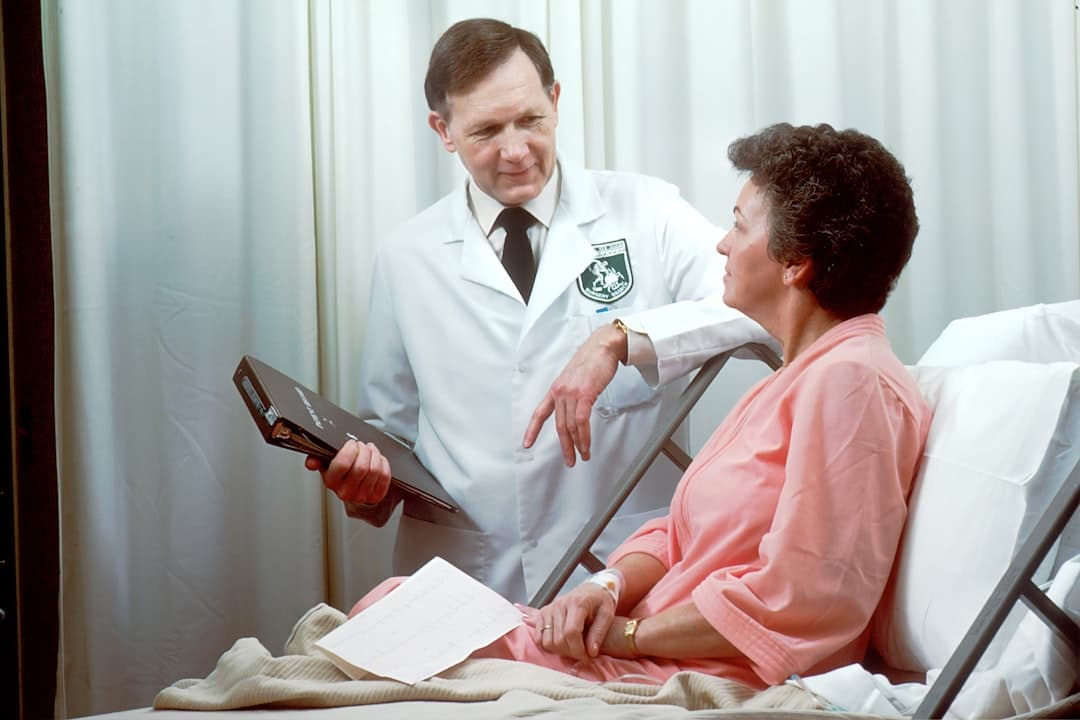
Healthcare student Bordeaux: how to see a doctor, register a médecin traitant, use the campus health centre, find a pharmacy and know the emergency numbers.
As a student in Bordeaux, you have three ways into healthcare: your university health centre (the Espace Santé Étudiants — student health centre, often with no upfront payment), a local GP whom you register as your médecin traitant (referring doctor), and — in an emergency — the 15 (SAMU, the medical emergency service) or 112. Anything to do with reimbursement (registering with French social security, taking out a mutuelle — top-up health insurance) is a separate step, covered in a dedicated guide. Here we focus on the practical side: where to get seen, how to find a doctor as a student in Bordeaux, where the on-call pharmacy is, and who to call when it's urgent.
One thing to get straight first: getting treated and getting reimbursed are two different topics. For registering with the French social security system (Sécurité sociale) and choosing a mutuelle (top-up health cover), see our guide on social security and health insurance for international students. This article assumes you're already covered (or in the process of registering) and shows you how to actually access care in Bordeaux.
Your university health centre: the first port of call
In Bordeaux, the Espace Santé Étudiants (ESE) is the student health service shared across several institutions on the Bordeaux campus (Université de Bordeaux, Université Bordeaux Montaigne, Sciences Po Bordeaux, Bordeaux INP, Bordeaux Sciences Agro). It's often the easiest starting point, especially when you've just arrived and don't yet have a doctor in town.
What you'll typically find there:
- GP consultations, with no upfront payment (tiers payant — direct billing, so you don't pay at the point of care).
- Psychological support: sessions with psychologists and mental-health nurses, in person or by video.
- Prevention and sexual health: contraception, STI testing, vaccinations, dietetics, sports medicine.
- Social support and study adjustments (disability, specific circumstances).
The main centre is on the university campus in Pessac (22 avenue Pey-Berland, 33600), reachable on 05 33 51 42 00, open Monday to Friday. You book by phone or online (Doctolib). Check current opening hours, satellite locations and details on the Espace Santé Étudiants website or the Université de Bordeaux health & wellbeing page.
Finding a GP and registering your médecin traitant
For ongoing care (repeat prescriptions, certificates, a problem that drags on), you'll want a local GP. In France, the system runs on a coordinated care pathway (parcours de soins coordonné): you register a médecin traitant (your referring GP), who then directs you to a specialist if needed. In practice, going through your médecin traitant gives you the best reimbursement rate; going outside that pathway costs you more.
How to go about it:
- Book an appointment with a GP near you, usually via Doctolib or by phone. Ask whether they're taking on new patients as a médecin traitant.
- Register them as your médecin traitant: this is done with the doctor during a consultation, or online from your ameli account. Official details on ameli.fr — le médecin traitant.
- Note: the reimbursement detail (rate, direct billing, carte Vitale — health insurance card) depends on your cover — see the social security and health insurance guide.
No médecin traitant yet when you arrive? Don't worry: the Espace Santé Étudiants and walk-in-style consultations tide you over in the meantime.
Pharmacies: your everyday health point
In France, the pharmacist (pharmacien) is a genuine first line of local healthcare. For minor complaints (a cold, mild pain, advice on a treatment), they can often help without you needing to see a doctor. Pharmacies are marked by a green cross.
Two situations to know:
- During the day: any open pharmacy. Some medicines are available without a prescription (ordonnance), others aren't.
- At night, on Sundays and public holidays: an on-call pharmacy (pharmacie de garde) keeps things running. To find one in Bordeaux, use the national directory 3237.fr (official on-call pharmacy site) or ask your local town hall (mairie). If in doubt at night, call ahead before heading over.
Emergencies: the numbers to know by heart
Learn these numbers before you need them. They're free and reachable 24/7, including from a foreign mobile.
| Situation | Number | When to use it |
|---|---|---|
| Life-threatening medical emergency (collapse, severe chest pain, accident) | 15 (SAMU) | Life-threatening distress, immediate medical triage needed |
| Emergency, anywhere in the EU | 112 | European emergency number, valid in every EU country; you're routed to the right service |
| Fire, accident, rescue | 18 (Pompiers — fire brigade) | Fire, accident, someone in danger |
| Non-urgent medical need, evening/weekend | 116 117 | Reach an on-call doctor when your GP is closed, without it being life-threatening |
| On-call pharmacy | via 3237.fr | Find the pharmacy open at night / at the weekend |
Two anchors worth remembering: 15 is for life-threatening emergencies (you're connected to a SAMU triage doctor), whereas 116 117 is for non-urgent care needs outside opening hours (evenings, weekends, public holidays). If you're unsure how serious it is, call 15 — they'll guide you. Official source: service-public.gouv.fr — emergency numbers.
What about telehealth?
Teleconsultation (a medical appointment by video) is now widespread in France. It's handy when you can't travel, feel isolated, or want a quick opinion. The Espace Santé Étudiants itself offers some appointments by video. Approved platforms also exist; reimbursement follows the same coordinated-care-pathway rules as in-person consultations. Check ameli.fr for the current conditions.
FAQ — Healthcare for students in Bordeaux
Where can I see a doctor as a student in Bordeaux? Start with the Espace Santé Étudiants, the university health centre (often with no upfront payment). For ongoing care, also get a local GP whom you register as your médecin traitant.
What is a médecin traitant and do I need to register one? The médecin traitant is the GP you register as your referring doctor: they coordinate your care pathway and refer you to specialists. Registering one secures the best reimbursement. It's done with the doctor or online on ameli.fr.
Which number do I call in an emergency in France? 15 (SAMU) for a life-threatening medical emergency, 112 as the European emergency number valid across the EU, 18 for the fire brigade. For a non-urgent medical need in the evening or at the weekend, call 116 117.
How do I find an on-call pharmacy in Bordeaux? Use the official directory 3237.fr or ask your local town hall (mairie). The pharmacie de garde keeps cover going at night, on Sundays and on public holidays.
Is the student health centre free? At the Espace Santé Étudiants in Bordeaux, many consultations are done with no upfront payment (tiers payant). For the detail of your own cover, see our social security and health insurance guide.
Looking after your health is one building block of student life in Bordeaux, alongside getting around, eating cheaply and managing your budget. For registering with social security and choosing a mutuelle, follow our dedicated social security and health insurance guide, and find every settling-in step in the Studroof guide and the student services. Before all that, you need a stable base: find your student accommodation in Bordeaux on Studroof.
This article is informational and does not replace official sources. Emergency numbers, the university health centre's terms and reimbursement rules can change: always check current information on service-public.gouv.fr, ameli.fr and the Espace Santé Étudiants website. Last updated: July 2026.